


Creating a relaxing home workspace can make a significant difference in your daily productivity and overall well-being. When your work area feels calm and inviting, it encourages focus, reduces stress, and helps you maintain motivation. Whether you are working remotely full-time or occasionally need a quiet spot to get tasks done, setting up a peaceful environment matters. Here are some practical tips to design a relaxing home workspace that boosts your productivity.
Choose the Right Location
Finding the perfect spot for your workspace is the first step. Ideally, select a quiet area with minimal distractions.
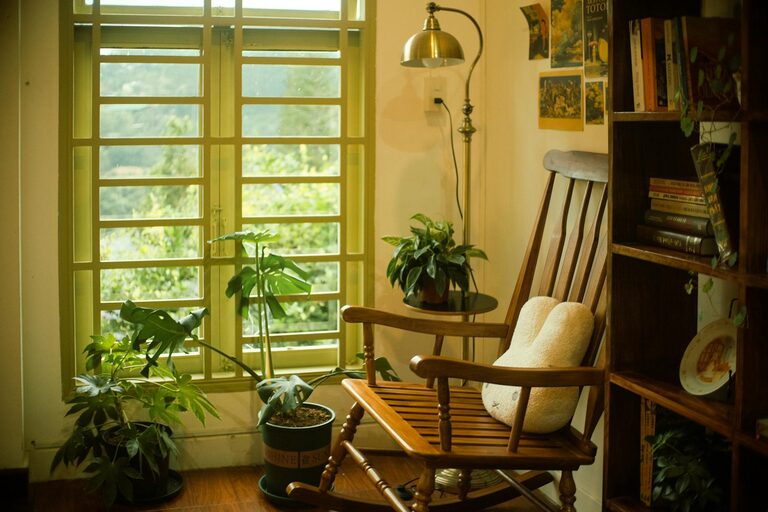
– Natural Light: Position your desk near a window to benefit from natural sunlight. Natural light improves mood and energy levels.
– Away from Noise: If possible, avoid places near TVs, busy hallways, or kitchen areas.
– Privacy: A corner or a separate room can help establish boundaries between work and home life.
Invest in Comfortable Furniture
Working for long periods requires ergonomic and comfortable furniture to prevent discomfort or injury.
– Ergonomic Chair: Choose a chair with good back support that allows your feet to rest flat on the ground.
– Adjustable Desk: A desk with adjustable height can let you alternate between sitting and standing, which improves circulation.
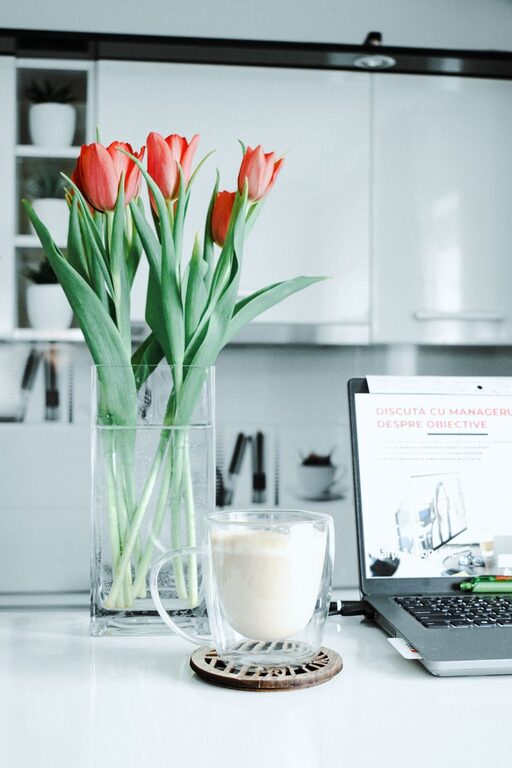
– Organized Surface: Keep the desk surface clutter-free but large enough to accommodate your essentials.
Use Soothing Colors and Decor
The colors and decor in your workspace influence your mood and concentration.
– Calm Colors: Soft, neutral tones like blues, greens, or light grays create a relaxing atmosphere.
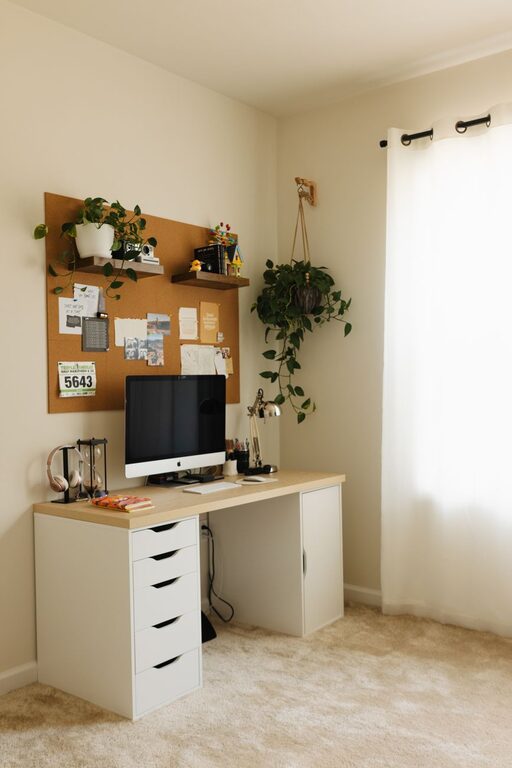
– Personal Touches: Add plants, photos, or art that inspire you without overcrowding the space.
– Minimalism: Avoid too many decorations to reduce visual distractions.
Control Lighting and Temperature
Lighting and room temperature directly affect energy and focus.
– Balanced Lighting: Use a combination of natural light and soft artificial lighting. Avoid harsh overhead lights that cause glare.
– Adjustable Lamps: A desk lamp with adjustable brightness helps reduce eye strain.
– Comfortable Temperature: Keep the room cool but not cold, ideally between 68–72°F (20–22°C).
Incorporate Sound Control
Sound can either help or hinder productivity, depending on your preferences.
– Noise-Canceling Headphones: Great for blocking out background noise.
– Background Music: Some people find that gentle instrumental music or nature sounds improve focus.
– Soundproofing: Adding rugs, curtains, or acoustic panels can reduce echo and noise.
Organize Your Workspace Efficiently
A tidy, well-organized space makes it easier to find what you need and stay productive.
– Storage Solutions: Use shelves, drawers, or filing cabinets to keep items off your desk.
– Cable Management: Use clips or sleeves to keep cords and chargers neat and accessible.
– Daily Clean-Up: Spend a few minutes at the end of each day to restore order.
Take Breaks and Move
Even in the most relaxing workspace, sitting too long can hurt productivity.
– Scheduled Breaks: Use techniques like the Pomodoro Timer to work in intervals with short breaks.
– Stretching: Stand up and stretch or take a quick walk to refresh your mind.
– Hydration: Keep a water bottle nearby to stay hydrated throughout the day.
Add Elements That Promote Relaxation
Including some relaxing elements can help reduce stress during busy workdays.
– Aromatherapy: Essential oils such as lavender or eucalyptus can create a calming ambiance.
– Greenery: Indoor plants improve air quality and provide a soothing natural feel.
– Comfort Items: A soft blanket or a cozy cushion can make your workspace inviting.
Limit Digital Distractions
Managing technology use is essential for maintaining a relaxing and productive environment.
– Notifications: Turn off non-essential notifications during work hours.
– Separate Devices: Use your workspace primarily for work-related devices to limit distractions.
– Focus Apps: Consider apps that block distracting websites or remind you to take breaks.
Personalize Your Routine
Your workspace should support your personal workflow and habits.
– Morning Ritual: Start your workday with a consistent routine that signals focus time.
– End-of-Day Routine: Clean your workspace and plan for tomorrow to create a sense of closure.
– Flexible Setup: Adjust your space as needed to keep it comfortable and inspiring over time.
—
By thoughtfully designing a relaxing home workspace, you set yourself up for greater productivity and satisfaction. The right environment helps you stay focused, feel comfortable, and efficiently manage your work tasks. Remember, simplicity, organization, and comfort are key to creating a space where you can thrive. Take small steps to optimize your workspace and enjoy the benefits of a calm, productive day at home.