



Creating a sustainable home garden that flourishes year-round is a rewarding way to connect with nature while reducing your environmental impact. Whether you have a small balcony or a spacious backyard, following thoughtful gardening practices can help you grow healthy plants, conserve resources, and enjoy fresh produce and greenery throughout every season.
In this guide, we’ll explore simple yet effective tips to build and maintain a sustainable garden in any climate.
Understanding Sustainable Gardening
Sustainable gardening means designing and managing your outdoor space in a way that supports the environment, conserves water and energy, minimizes waste, and promotes biodiversity. It involves choosing the right plants, using organic methods, and optimizing resources to reduce your carbon footprint.
Choosing the Right Plants
Native and Adapted Species
Selecting plants that are native or well-adapted to your local climate is one of the best steps toward sustainability. Native plants require less water, fertilizer, and maintenance because they’ve evolved to thrive in local conditions.
– Research local flora through gardening centers or extension services.
– Choose varieties that resist pests and diseases common in your area.
– Include a mix of plants that bloom at different times to support pollinators year-round.
Perennials Over Annuals
Perennials return each year, reducing the need to replant and thus conserving seeds and soil disturbance. Incorporate perennial herbs, vegetables, and flowers into your garden to enjoy long-lasting benefits.
Soil Health and Composting
Healthy soil is the foundation of a sustainable garden. Proper soil management improves plant growth and reduces the need for chemical fertilizers.
– Test your soil to understand its nutrient content and pH.
– Add organic matter like compost to enhance fertility and water retention.
– Start a compost bin to recycle kitchen scraps and garden waste, turning them into valuable fertilizer.
Water Conservation Techniques
Water is a precious resource in gardening. Adopting water-wise habits helps save water without sacrificing plant health.
Mulching
Applying a layer of mulch around plants conserves moisture, suppresses weeds, and enriches the soil.
– Use organic mulches such as straw, wood chips, or leaves.
– Keep mulch a few inches away from plant stems to avoid rot.
Efficient Watering
– Water plants early in the morning or late in the evening to reduce evaporation.
– Use drip irrigation or soaker hoses to deliver water directly to roots.
– Collect rainwater using barrels to reduce reliance on tap water.
Extending the Growing Season
A sustainable garden thrives all year, so consider ways to extend your growing season.
Raised Beds and Greenhouses
Raised beds warm up faster in the spring and can improve drainage. Adding a greenhouse or cold frame allows you to grow plants during cooler months.
Season-Appropriate Crops
Choose crops suited to each season. Leafy greens, root vegetables, and hardy herbs often survive winter, while warm-season plants flourish in summer.
Crop Rotation and Companion Planting
Rotating crops prevents soil depletion and pest buildup. Companion planting can improve plant health and natural pest control.
Supporting Wildlife and Biodiversity
A sustainable garden encourages beneficial insects, birds, and other pollinators that keep your garden healthy.
– Plant a variety of flowering species to attract bees and butterflies.
– Provide birdhouses or insect hotels for shelter.
– Avoid pesticides that harm helpful wildlife.
Reducing Waste and Energy Use
Sustainability also means managing resources wisely.
– Save seeds from your plants for future planting.
– Use recycled or natural materials for garden tools and containers.
– Minimize plastic use in pots and packaging.
Indoor Gardening Options
If outdoor space is limited, indoor gardening can also be sustainable.
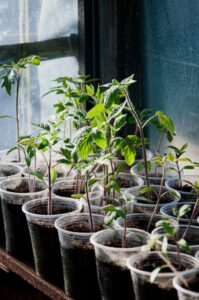
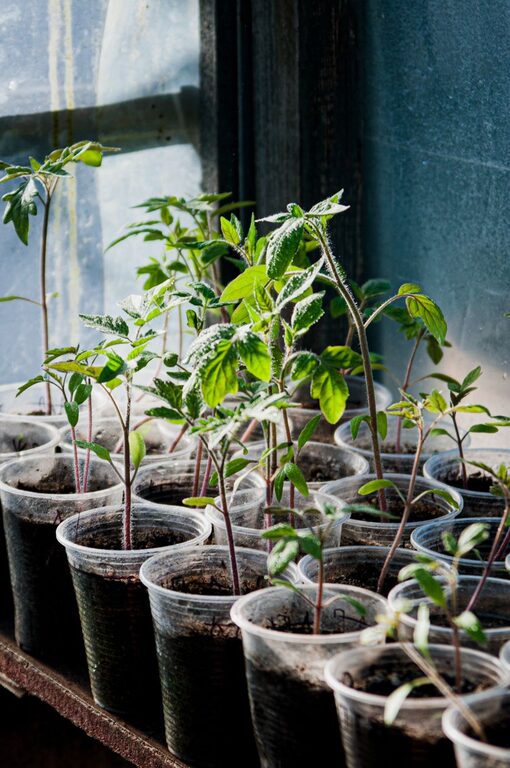
– Grow herbs and small vegetables in pots on windowsills.
– Use LED grow lights to save energy.
– Reuse containers and trays to reduce waste.
Final Thoughts
Creating a sustainable home garden year-round takes planning and care, but the benefits are well worth the effort. By choosing the right plants, improving soil health, conserving water, supporting wildlife, and reducing waste, you contribute to a healthier planet and enjoy fresh, beautiful surroundings in every season.
Start small, keep learning, and watch your garden—and your connection to nature—grow sustainably through the months.